NY$
member, verified, editor
NY$
member, verified, editorBadges


Recent Photos
Quick actions
Followers
Following
Collections (0)
NY$ has no collections yet.
My Gallery Photos (0)
NY$ hasn’t added any photos yet.
Pin Photos (269)
NY$ hasn't uploaded photos to any pins yet.


Badges
Submitted Locations (28)


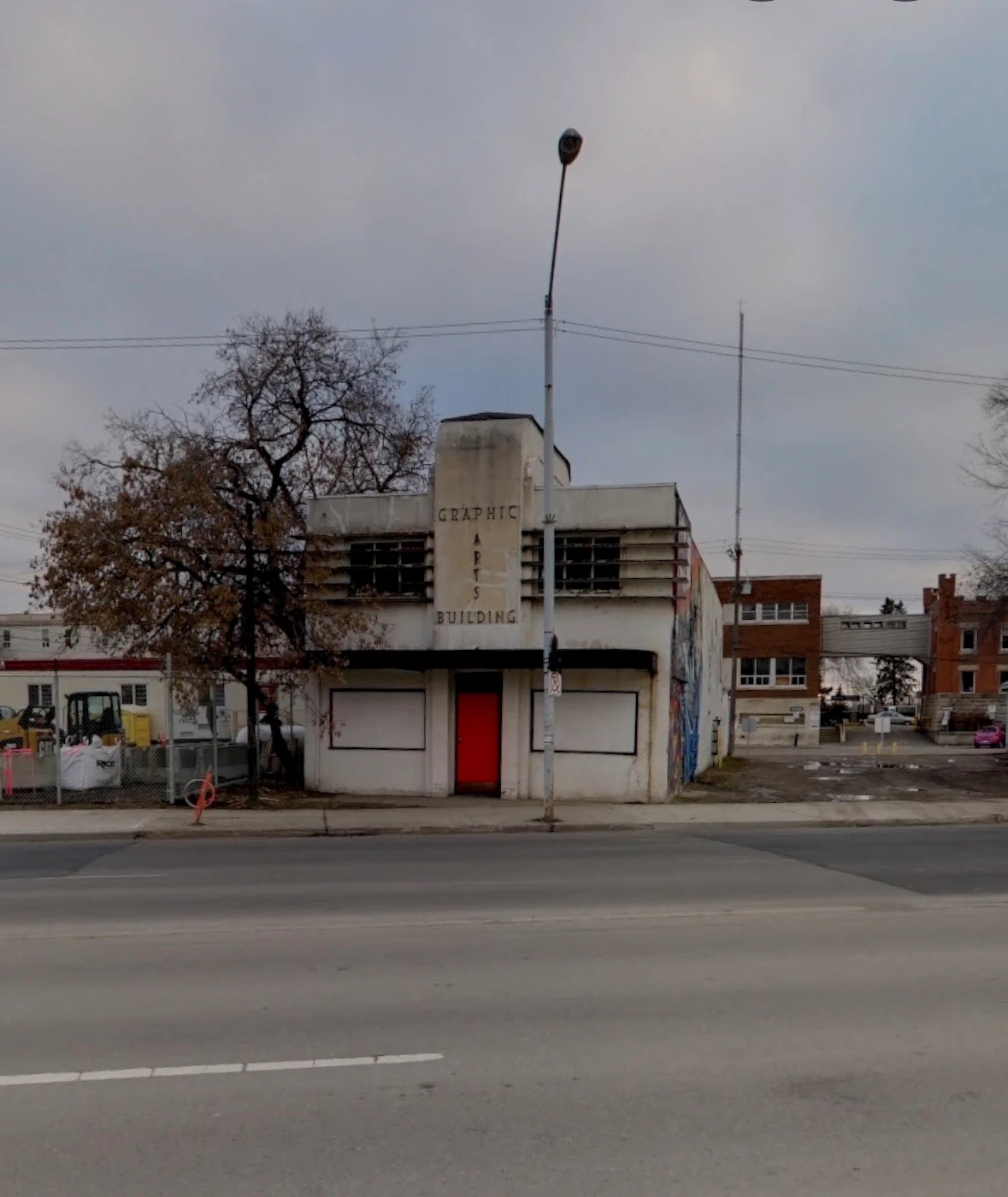
Gráphic Arts Building
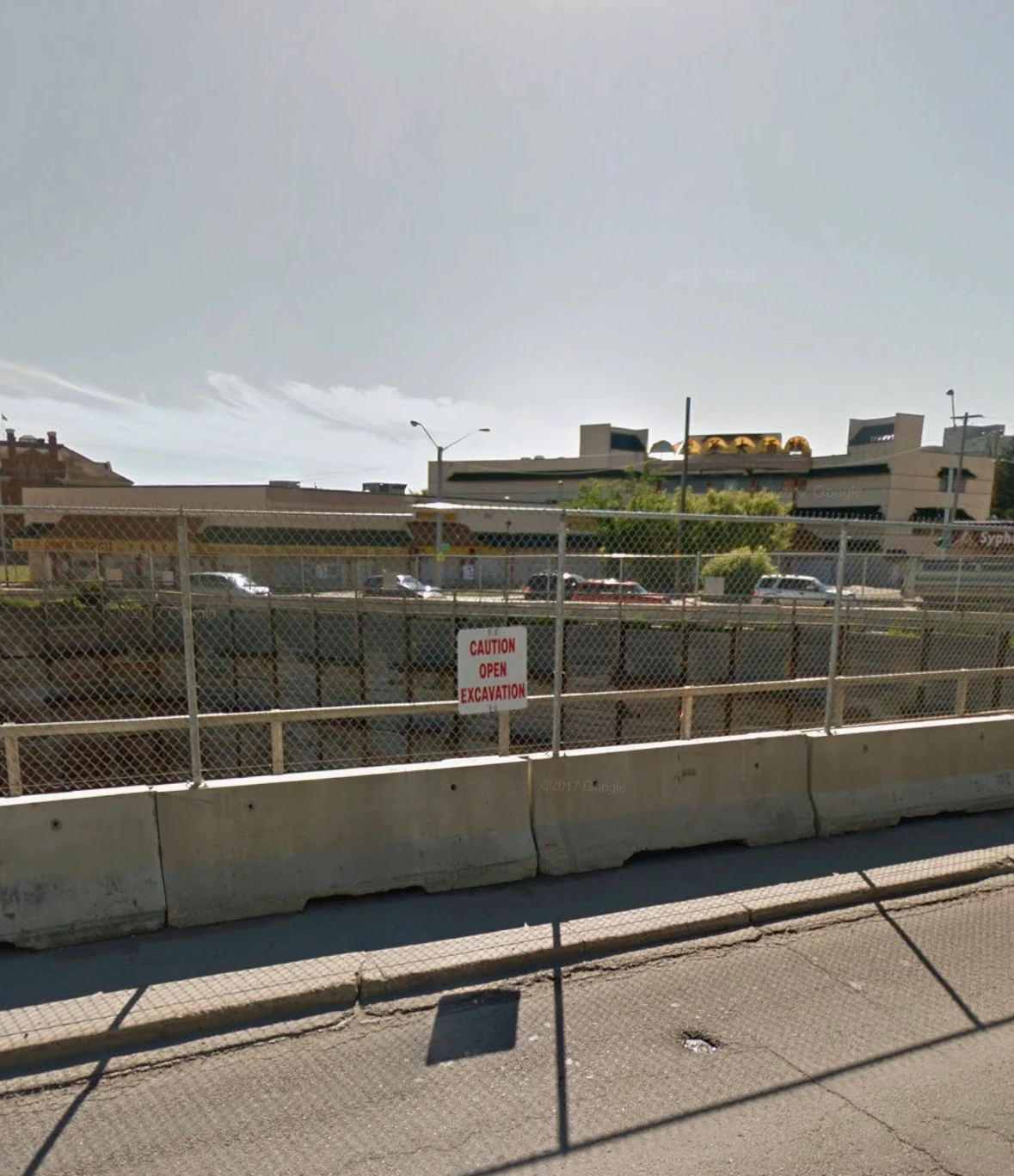
This is another lesser-known lost Edmonton building near the new Chinatown Mall It was an unusual Art Deco-era commercial building. The City Archives has an actual archival photograph of the building. It became associated with: * graphic arts * photography * creative businesses * Edmonton’s arts/music community. The City acquired the building in 2015, and later the property became fenced off with demolition anticipated. This is another one that tends to disappear from popular Edmonton-history discussions.
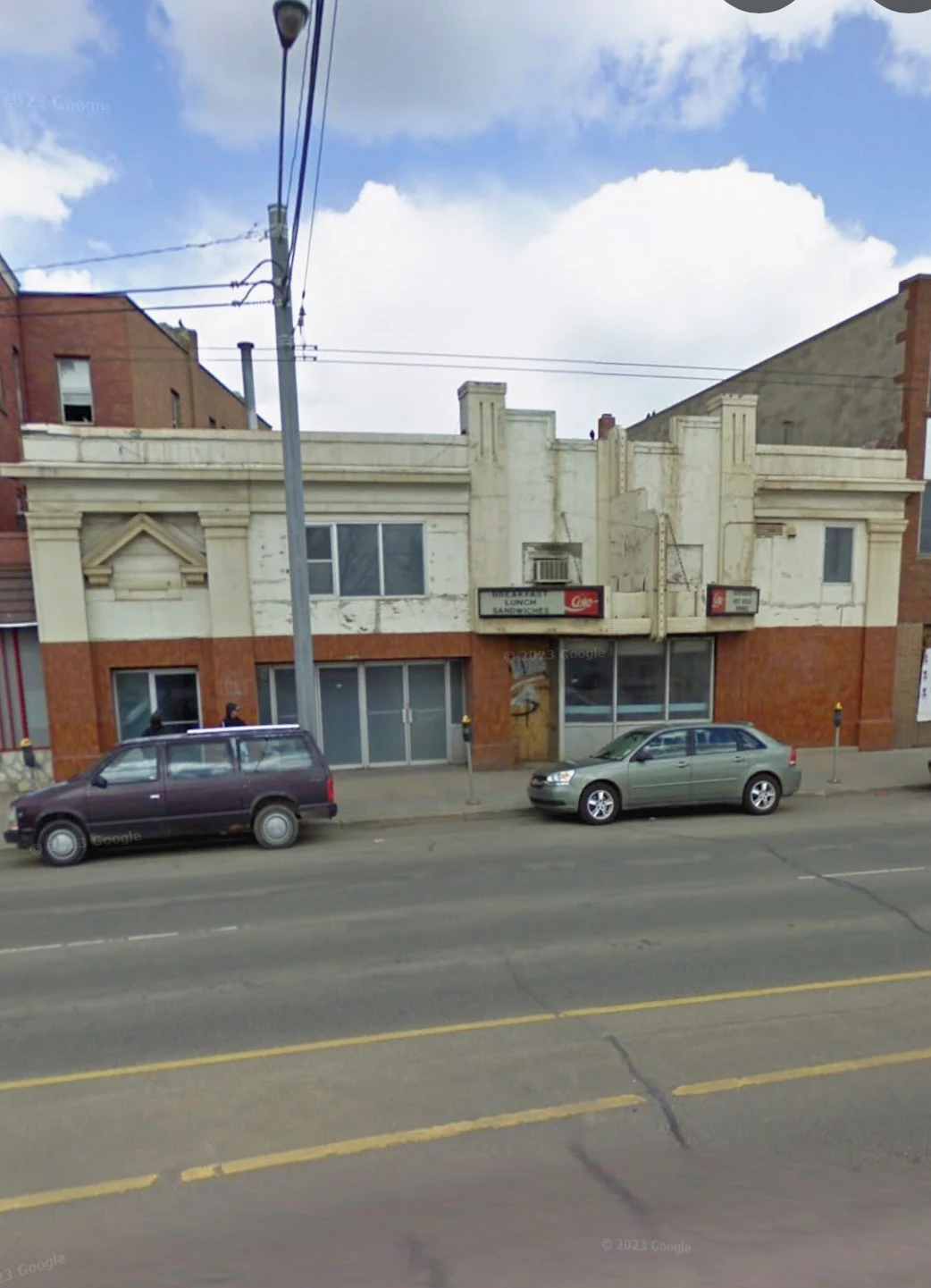
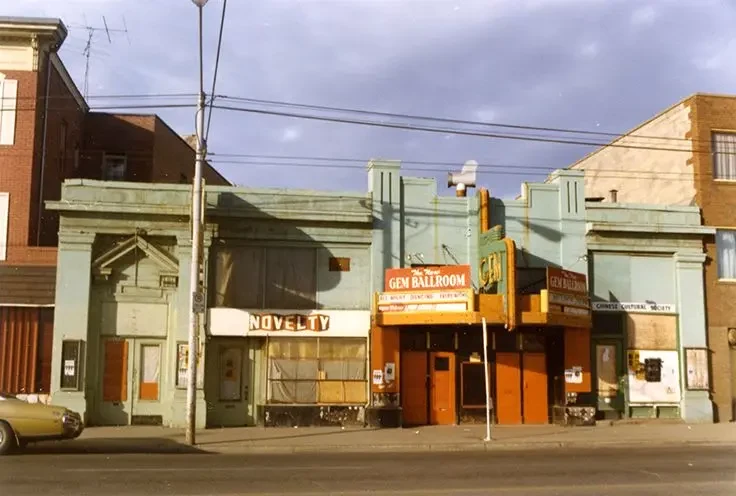
Gem Theatre/Star Theatre
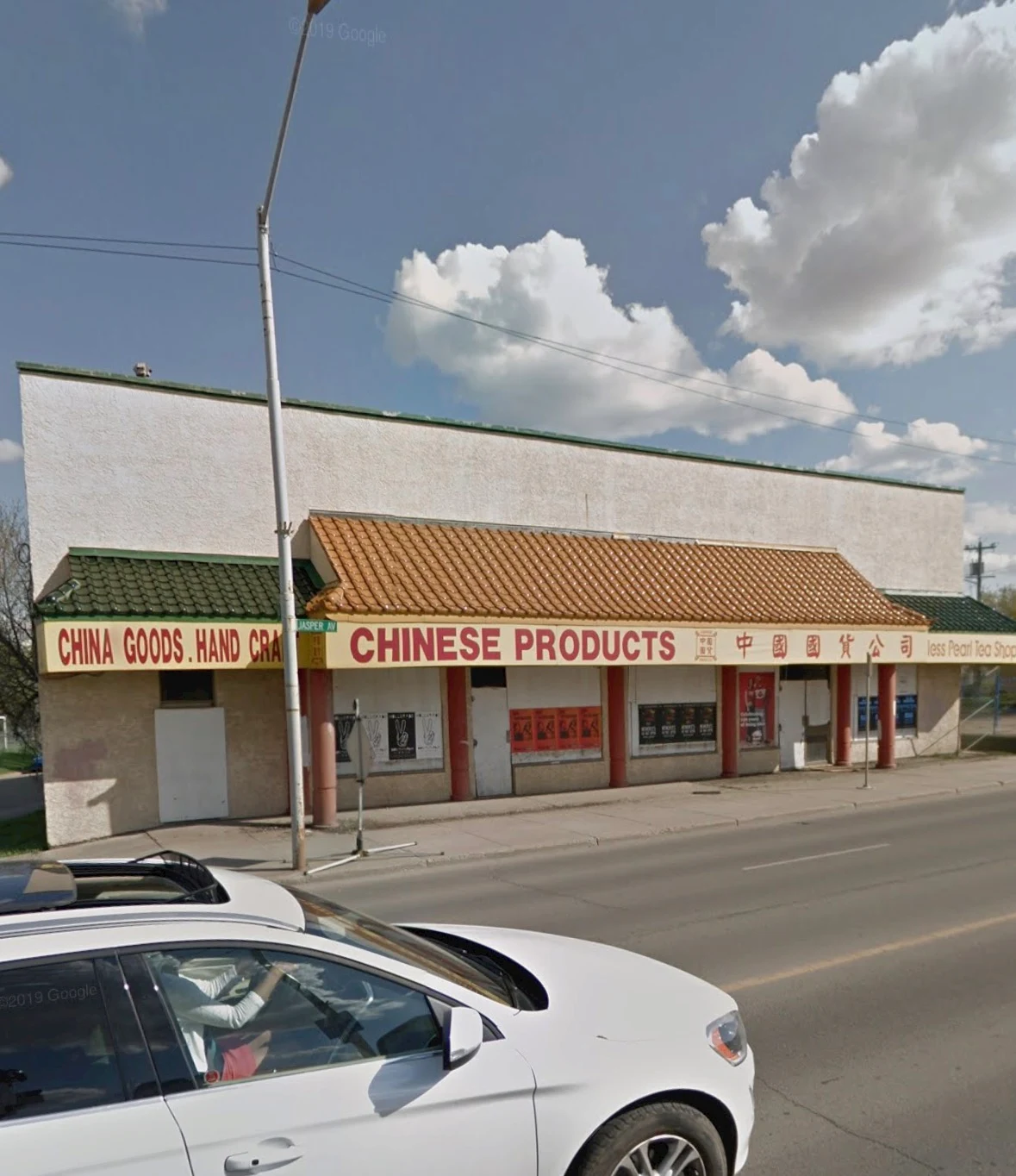
The Gem Theatre was purpose built as a movie house in 1913. Originally constructed in the Classical Revival style, a 1940s renovation gave it a Moderne twist. The story of the Gem Theatre is one of architectural evolution. The Gem was designed by Magoon and MacDonald in 1912. One version of he building's design was a simple four-storey Edwardian commercial structure. Stone and marble facing on the main floor were accented by pilasters and capitals, and a metal cornice. A central entrance to the theatre was flanked on either side by entrances to commercial spaces. An enetrance on the far let side, with a simple pediment above, gave access o the upper and lower floors. The higher floors were to be faced with brick, and incorporate stone stingcourses, another metal cornice, a parapet, and a central date stone. Perhaps because Goodridge was stretched financially, so soon after completing the nearby Goodridge Block, as well as te downturn in the economy, the upper floors were never built. Instead, the Gem Theatre became a very low-two story building (only the manager's office, machinery room , and projection booth were on the second floor). The secondary entrance remained, but provided access only to the basement, where a billiards room was located. In the 1940s the main entrance to the Gem Theatre was renovated to include a Moderne style marquee with rounded edges and neon signage in front of a stucco-clad stepped parapet. These changes reflected the shift in desing and techonology popular in Edmonton theatres at the time. Further renovations occurred in 1979, when one commercial entrance was removed and the other doernized, and a new brick facade was constructed on the main floor. The Gem Theatre was built by Leonard Goodridge in 1913. Leonard had built the Goodridge Block just up the street on Jasper Avenue and 97 Street the year before, and his father, James Goodridge, had built the 1882 Jasper Hotel which sat between Leonard's two buildings. Leonard Goodridge managed the theatre from the first show in 1914 unitl 1957. The theatre ceased showing motion pictures in 1957 and took on various commercial roles-including being host to a restaurant, the Chinese Cultural Society, and most notoriously a violence plagued nightclub called the Gem Ballroom. After years of problems the City closed the Gem Ballroom in 1979, and a local enterpreneur returned to its original function as a movie theatre. Renamed the Star Theatre, Chinese language films were played here until the late 1980s. The Gem Theatre was designated as a Municipal Historic Resource in 2000 beacuse of its significance as one of the early motion picture theatres in Edmonton, its architecture, and its relation to the Goodridge family. At the time there was great hope that the building would be restored to its former glory. Unfortunately, the work was never completed. In 2010, despite its recognitions as a Municipal Historic Resource, the theatre was deemed a public hazard and was demolished. The Gem was associated with the Goodridge family. It was one of Edmonton’s early purpose-built movie theatres. Later it became the: Star Theatre And this is a particularly interesting Chinatown connection: Chinese-language movies were shown at the Star Theatre until the late 1980s. So this apparently ordinary old theatre became part of Edmonton’s Chinese cultural history. It was designated a Municipal Historic Resource in 2000, but restoration was never completed. In 2010, despite the designation, it was considered a public hazard and was demolished.
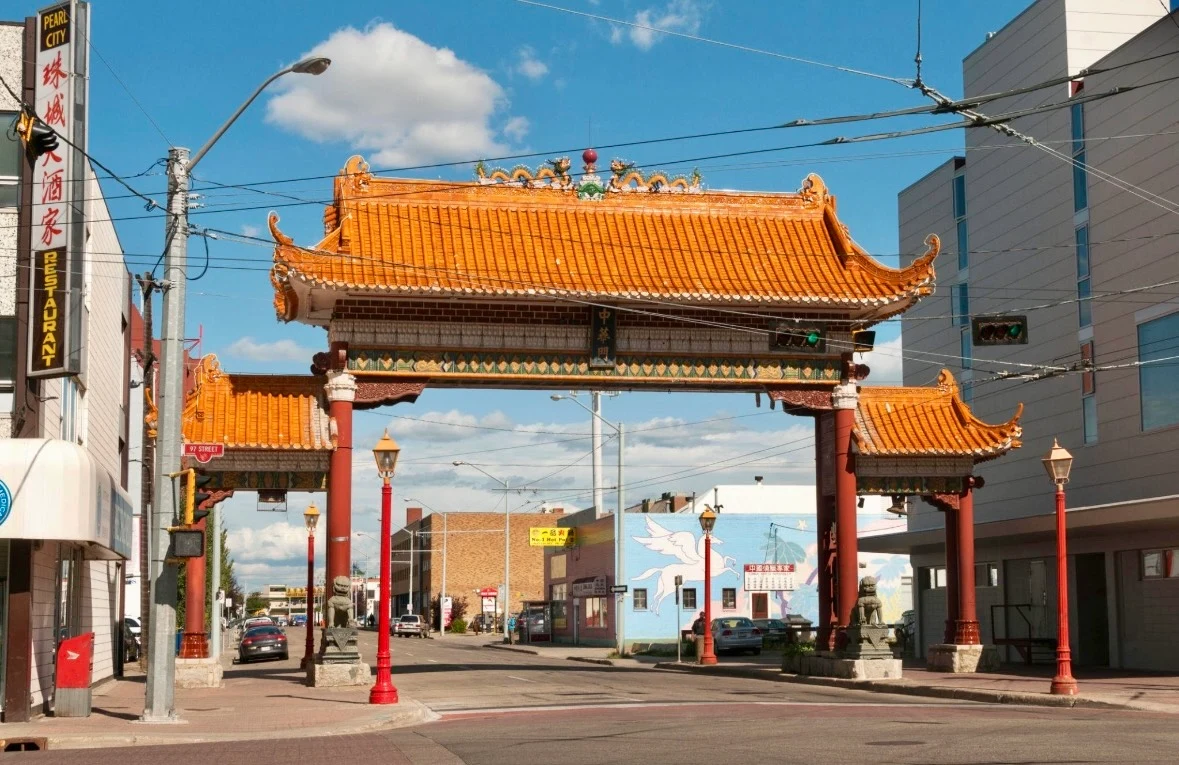
Harbin Gate/Chinatown South Gate
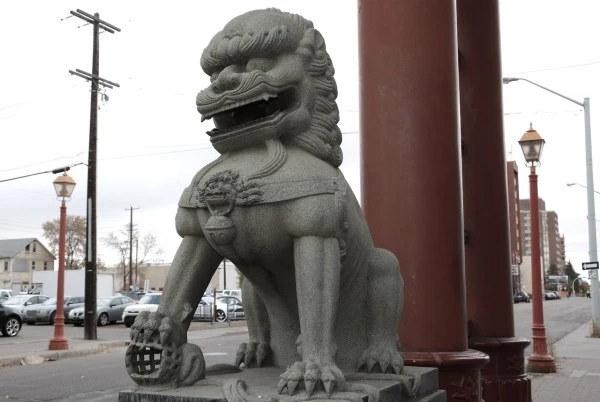
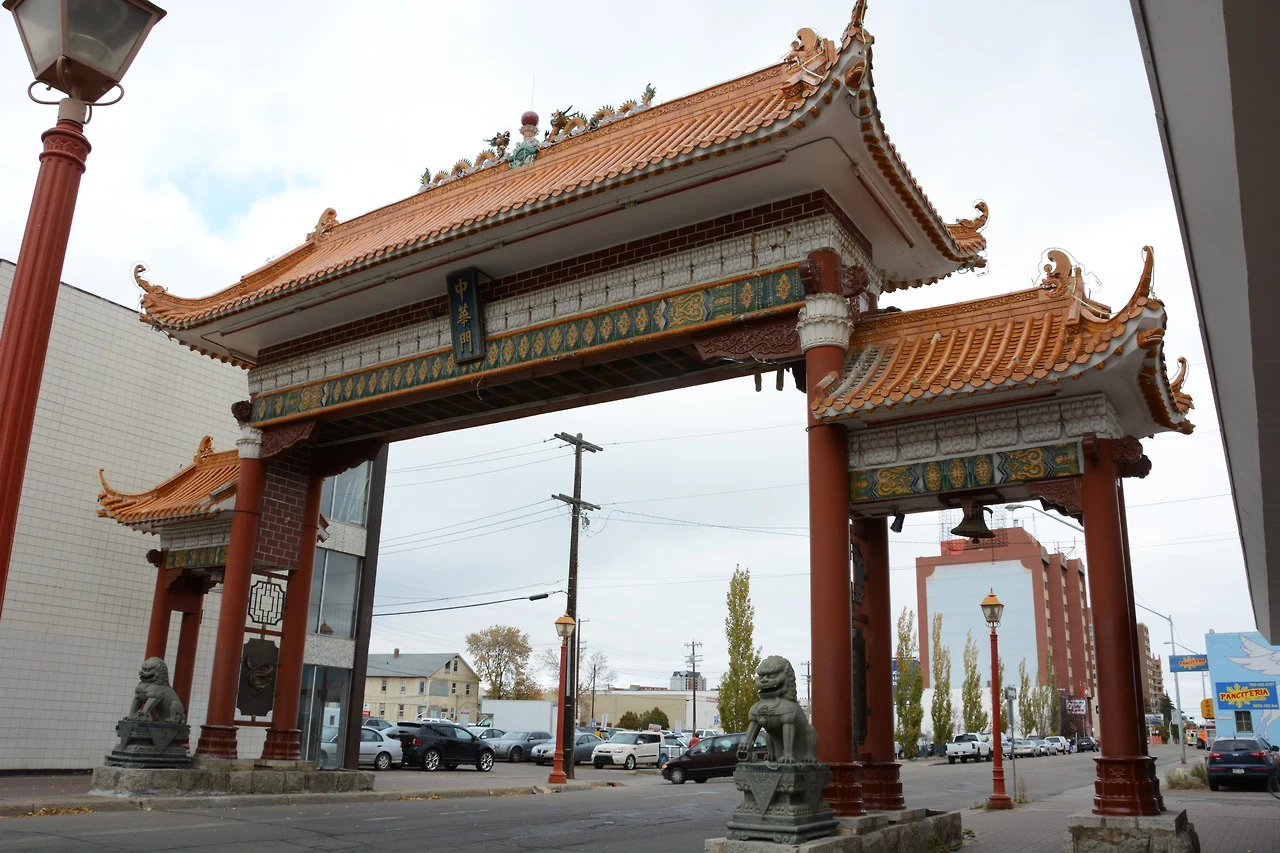
The famous Chinese gate was constructed in 1987 as a gift from Edmonton’s sister city Harbin, China. It became one of the visual symbols of Chinatown South. However, the original gate was dismantled and put into storage in 2017 because of the Valley Line LRT project. In 2026, the City began construction of a new Chinatown Gate at 97 Street between Jasper Avenue and 101A Avenue. So this is another example of something from the Chinatown South era that has literally moved/changed location over time. There was also a lion statue in front of Harbin Gate on the western edge of Chinatown South. A ball-shaped tongue can be moved inside the mouth for good luck.
Prada Marfa
Prada Marfa is a permanent sculptural art installation located along U.S. Route 90 in the West Texas desert, approximately 26 miles northwest of Marfa near the small community of Valentine, Texas. Conceived as a faux luxury boutique, it was created by Scandinavian artists Elmgreen and Dragset and unveiled on October 1, 2005.Key FeaturesDesign & Purpose: Built to mimic a minimalist Prada storefront, it features real luxury shoes and handbags from Prada's fall 2005 collection inside non-functional, illuminated display windows.Artistic Intent: The installation was intentionally designed to slowly degrade and weather in the desert elements without exterior maintenance, serving as a critique and commentary on consumerism and luxury culture.Cultural Impact: Over the years, the remote site has transformed into a famous roadside landmark and popular destination for road-trippers, photographers, and pop-culture enthusiasts.
Old Dr. Turner Lodge (Original Seniors Lodge Site)
Former seniors’ residential lodge operated by Heartland Housing Foundation in Fort Saskatchewan. The original Dr. Turner Lodge provided affordable housing and services for seniors before being replaced by a newer modern facility on 94 Avenue. After closure, the building sat vacant while officials considered future uses for the property, including redevelopment. The site was eventually cleared and is planned for new affordable housing development.
Okotoks Erratic (Big Rock)
The Okotoks Erratic, commonly known as Big Rock, is one of the world’s largest glacial erratics and Alberta’s most famous geological landmark. Weighing approximately 16,500 tonnes, the massive quartzite boulder was carried more than 400 kilometres from the Rocky Mountains by glacial ice during the last Ice Age before being deposited near present-day Okotoks. The site is a Provincial Historic Resource and has deep cultural significance to the Blackfoot people, who call it “Okotok”, meaning “rock.” Today, it is one of Alberta’s most popular roadside attractions, offering visitors a chance to experience a remarkable piece of Ice Age history and learn about the region’s geological and Indigenous heritage.
North Battleford Insane Asylum
The Saskatchewan Hospital in North Battleford was one of Canada’s oldest and most significant psychiatric hospitals. Officially opened in 1913, it was built to provide specialized care for people living with mental illness at a time when treatment options were limited and psychiatric institutions were rapidly expanding across North America. For more than a century, the hospital served thousands of patients from across Saskatchewan. Over the decades, its role evolved alongside advances in psychiatry and mental health care. Treatments, policies, and patient care changed dramatically as medical knowledge improved, reflecting both the successes and shortcomings of each era. The hospital eventually grew into a large campus with multiple buildings, including patient wards, administrative offices, workshops, recreational facilities, and support services. It became one of the province’s largest healthcare institutions and a major employer in North Battleford. As modern approaches to mental health shifted toward community-based care and updated medical facilities, the aging buildings became increasingly expensive to maintain. Construction of a new Saskatchewan Hospital began in the 2010s, and patients were transferred to the new facility when it opened in 2019. The original hospital complex was demolished in 2020 after more than 100 years of service.
Talus Dome
Hidden beside the Quesnell Bridge and Whitemud Drive in Edmonton’s river valley is one of the city’s most unusual landmarks — Talus Dome. Created in 2012 by Ball Nogues Studio, this massive public artwork is made up of nearly 1,000 handcrafted stainless-steel spheres arranged into the shape of a natural talus slope. From a distance it looks like a pile of giant metal balls, but up close it becomes a constantly changing mirror reflecting Edmonton’s sky, seasons, river valley, and passing traffic. The sculpture was designed as a conversation between nature and human construction. Before the Quesnell Bridge existed, natural talus formations shaped the river valley landscape. Talus Dome references that history while showing the contrast between the untouched environment and the infrastructure built to cross it. Each sphere was individually fabricated, polished, and finished with marine-grade 316L stainless steel — a material chosen to survive Edmonton’s harsh weather while changing appearance with the light, seasons, and surroundings. Located along Edmonton’s river valley trail system, Talus Dome has become one of the city’s most recognizable and controversial pieces of public art. Some people see it as a beautiful reflection of the landscape, while others simply see it as “the giant metal balls beside the bridge.” Either way, it has become a unique part of Edmonton’s skyline and one of the city’s strangest landmarks.
1940 37 Street SW (Calgary)
Boarded up UPDATE: it got demolished