Urban Exploration in California
California — The Golden State
California offers unparalleled urbex diversity — from Hollywood's forgotten glamour to desert ghost towns, coastal military installations to Central Valley agricultural ruins. The state's boom-and-bust cycles, from Gold Rush to tech bubbles, have left layers of abandonment worth exploring.
About California Urbex
California's vast geography creates distinct urbex regions: Southern California offers abandoned movie theaters, hotels, and aerospace facilities; the Central Valley features agricultural and industrial ruins; Northern California showcases Gold Rush ghost towns and mining operations; and the coast is dotted with abandoned military fortifications and shipping facilities.
How to research abandoned places in California
Searches for abandoned places in California cover very different regions, from Los Angeles industrial sites to Bay Area military history and desert ghost towns. Use this page as a statewide research hub, then narrow into city pages and the urbex map before evaluating individual locations.
- abandoned places in California
- urbex California
- California ghost towns
- California abandoned buildings
Treat each term as a research starting point, not permission to enter. Compare statewide context on the urban exploration map hub, then confirm ownership, access, hazards, and preservation rules before planning a visit.
Types of Abandoned Places in California
- Gold Rush era mining towns and operations
- Hollywood and entertainment industry ruins
- Military installations and coastal defenses
- Aerospace and defense industry facilities
- Agricultural processing and packing plants
- Desert ghost towns and mining claims
- Old Route 66 and highway infrastructure
Best Regions for Urban Exploration
Mojave Desert (ghost towns, mining)
Los Angeles County (industrial, entertainment)
San Francisco Bay Area (military, maritime)
Sierra Nevada (mining, logging)
Central Valley (agricultural)
Top Abandoned Places in California
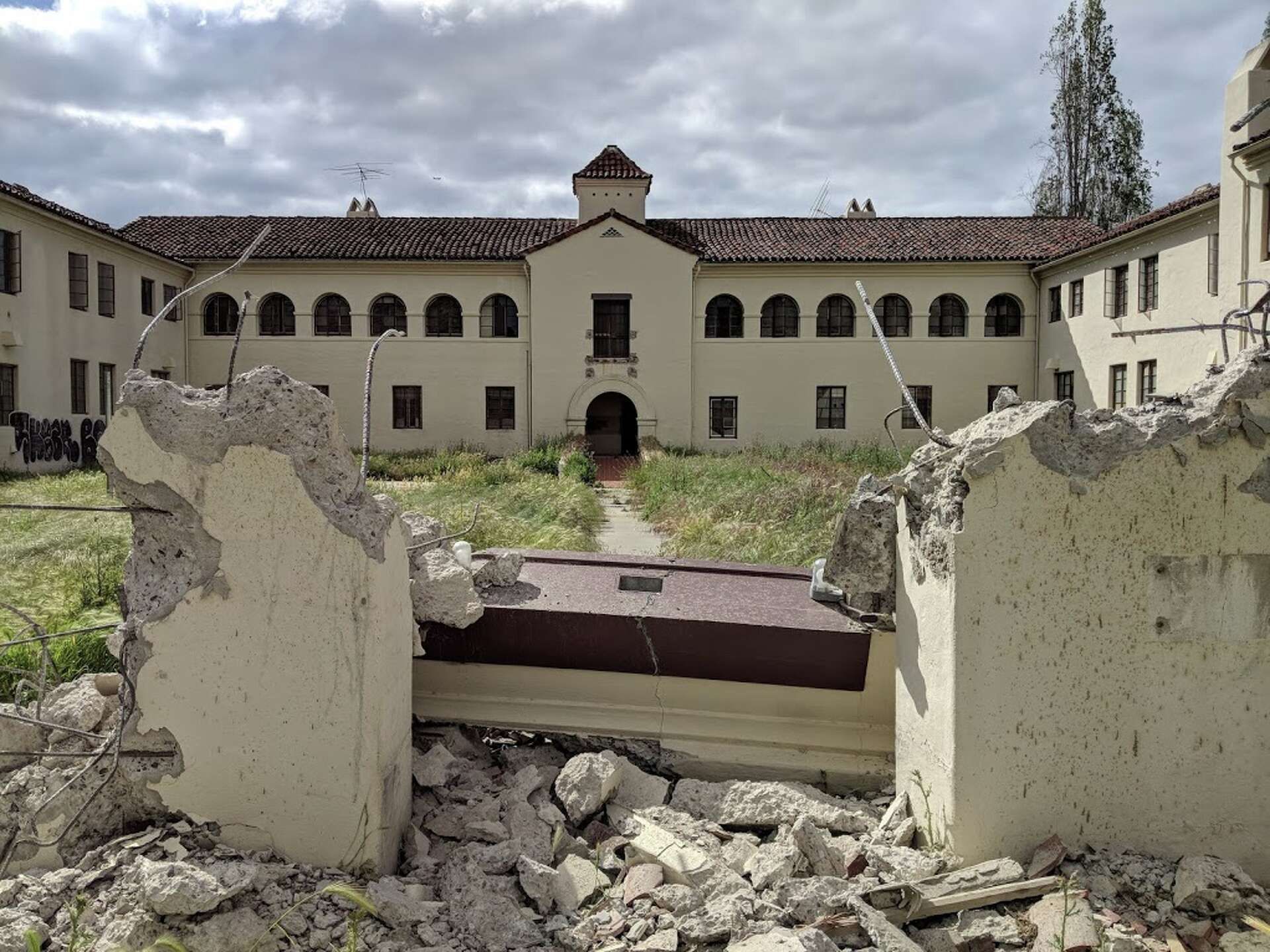
Agnews State Hospital
The Ruins of Agnews State Hospital, historically known as Agnews Insane Asylum or Agnews Developmental Center, are a decaying landmark in San Jose, California. This East Campus site, part of a once-vast complex, features overgrown grounds and Mission Revival-style buildings like the Rapport Building, now graffiti-covered and reclaimed by nature. Established in 1885 as California's third mental health facility, it followed the Kirkbride Plan for therapeutic environments, growing into a self-sufficient community with farms, shops, and its own train station by the early 1900s. The site's tragic turning point was the 1906 San Francisco earthquake, which collapsed unreinforced buildings and killed over 100 patients and staff, leading to mass graves on the grounds. Rebuilt in 1911 with earthquake-resistant Mediterranean Revival designs resembling a campus layout, it expanded with the East Campus in 1926. Over time, it shifted from mental illness treatment to developmental disabilities care, fully closing in 2009-2011 amid deinstitutionalization. Today, the East Campus stands neglected, with hazards including asbestos, structural instability, falling debris, and hidden holes. It has cultural significance as a filming location for movies like Birdy and The Dead Pit, plus Green Day's "Basket Case" video, and fuels paranormal tales of ghosts. Added to the National Register of Historic Places in 1997, parts are being redeveloped into schools and parks, with demolitions underway—urging explorers to visit responsibly and legally before it's gone.
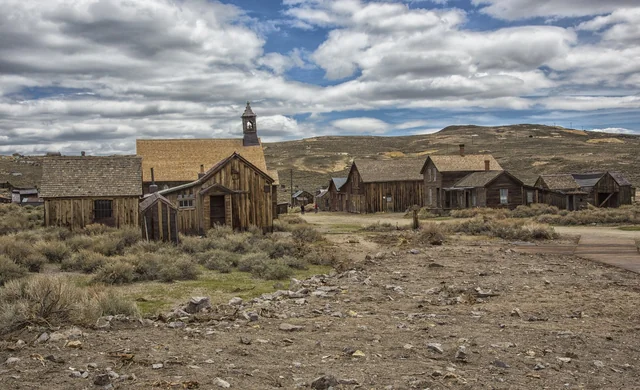
Bodie (Huge Gold Rush Ghost Town)
Bodie, California, is a legendary gold rush ghost town located in the Bodie Hills east of the Sierra Nevada Mountains in Mono County, about 75 miles southeast of Lake Tahoe. Discovered in 1859 by prospector W.S. Bodey—who perished in a blizzard before seeing its success—the site exploded into a booming mining camp after rich gold strikes in 1876, attracting up to 10,000 residents by 1879 with over 2,000 buildings, including 65 saloons, opium dens, a red-light district, and a Wells Fargo bank, earning a reputation for lawlessness, gunfights, and harsh winters. During its peak from 1877 to 1881, Bodie's mines produced nearly $34 million in gold and silver, making it one of California's most productive sites, supported by innovative technologies like the Standard Mill for ore processing. The town's decline began in the 1880s due to depleted veins, economic downturns, and devastating fires in 1892 and 1932 that razed much of the community, reducing the population to a few hundred by the early 1900s and labeling it a ghost town by 1915. Mining ceased entirely by 1942, and the last residents departed in the 1950s, leaving Bodie abandoned until it was designated a California State Historic Park in 1962 and a National Historic Landmark in 1961. Today, preserved in a state of "arrested decay" with about 170 weathered buildings, including homes, a schoolhouse, church, and jail. Bodie attracts over 200,000 visitors annually to explore its eerie, time capsule atmosphere, accessible year-round via State Route 270.
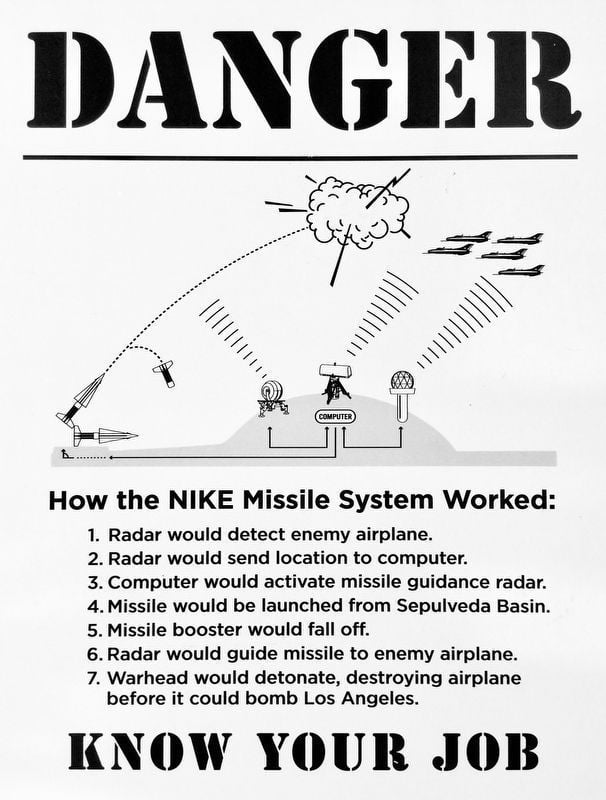
Nike Missile Site LA96C
LA96C was one of 16 Nike missile sites that protected Los Angeles from a feared attack by Soviet bombers. It was an active battery from 1956-1968 with radar searching the sky for enemy airplanes. New military technology made the Nike missiles obsolete, and the site has been made into a park. Nature is reclaiming the military ruins.
Explore California by City
Discover urban exploration opportunities in major California cities. Each city page includes detailed information about local urbex sites, history, and what to expect.
Los Angeles
Explore abandoned places in Los Angeles
San Francisco
Explore abandoned places in San Francisco
San Diego
Explore abandoned places in San Diego
Legal & Safety Information
California has strict trespassing laws. Many historic sites are on private property or protected land. Always seek permission and respect property rights. Some military sites remain active and are strictly off-limits.
Always prioritize safety and legality. Research locations thoroughly before visiting.
Frequently Asked Questions
What are the best urbex locations in California?
California offers diverse urbex from Gold Rush ghost towns in the Sierra Nevada to abandoned military installations on the coast, Hollywood entertainment ruins in LA, and desert mining operations. Popular areas include Bodie Ghost Town, abandoned aerospace facilities, and coastal defense structures.
Is urban exploration legal in California?
California has strict trespassing laws. Many historic sites are on private property or protected public land. Always research ownership and seek permission when required. Some ghost towns on BLM land are accessible, while military sites and private property are off-limits.
What are California's most famous ghost towns?
Bodie State Historic Park is California's most famous preserved ghost town. Other notable sites include Calico, Cerro Gordo, and numerous mining camps throughout the Mojave Desert and Sierra Nevada. Many require 4WD access and are in remote locations.
Getting Started with California Urban Exploration
Ready to explore California? Start by browsing our interactive map to see locations across the state. Filter by category to find industrial sites, ghost towns, or historic buildings. Join our community to connect with local explorers and learn about the best spots to visit safely and legally.